Why Community Matters (Especially When Life Feels Heavy)
Life has a way of getting heavy.
Sometimes it’s obvious. A hard season at work. A health scare. A loss. A major life transition.
Other times it’s quieter. A low-level exhaustion. Feeling disconnected. Carrying stress that never quite goes away.
When that weight builds up, our instinct is often to pull inward. To cancel plans. To “handle it ourselves.” To wait until we feel better before showing up.
But that’s often when we need connection the most.
We’re Not Meant to Do Life Alone
Humans are wired for connection. Community isn’t just a “nice bonus” in life — it’s a biological and emotional need. Feeling seen, supported, and understood helps regulate our nervous systems, improve mental health, and increase resilience during hard times.
When life feels heavy, community doesn’t magically fix everything.
But it makes the weight easier to carry.
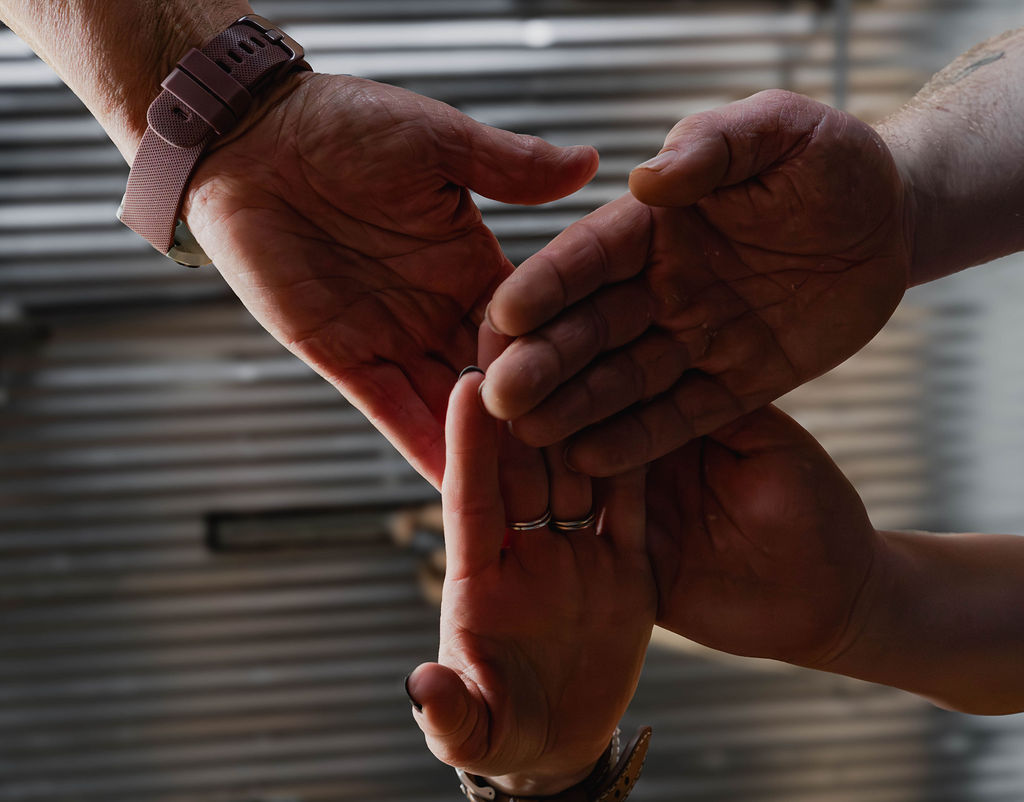
It reminds us that we’re not alone in our struggles. That other people are walking their own versions of hard. And that support doesn’t always come in the form of advice — sometimes it’s just presence.
Why Showing Up Matters (Even When You Don’t Feel Like It)
Some of the most meaningful moments of connection happen on the days we almost stayed home.
The days when motivation is low.
The days when everything feels like too much.
The days when simply putting on your shoes feels like a victory.
Showing up doesn’t require being “on.” It doesn’t require positivity or energy or a good attitude. It just requires being willing to walk through the door.
And often, that’s enough.
A smile from a familiar face.
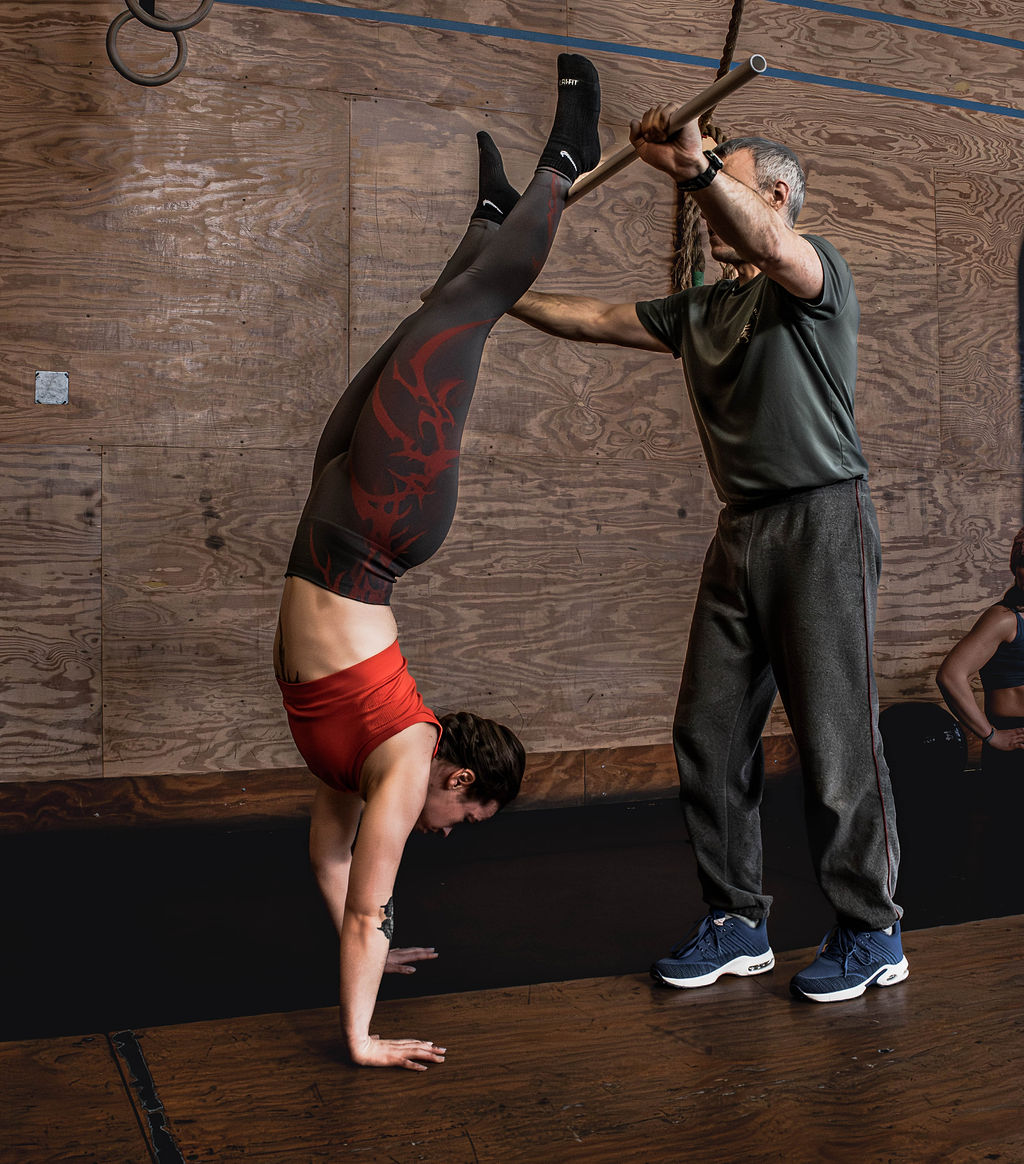
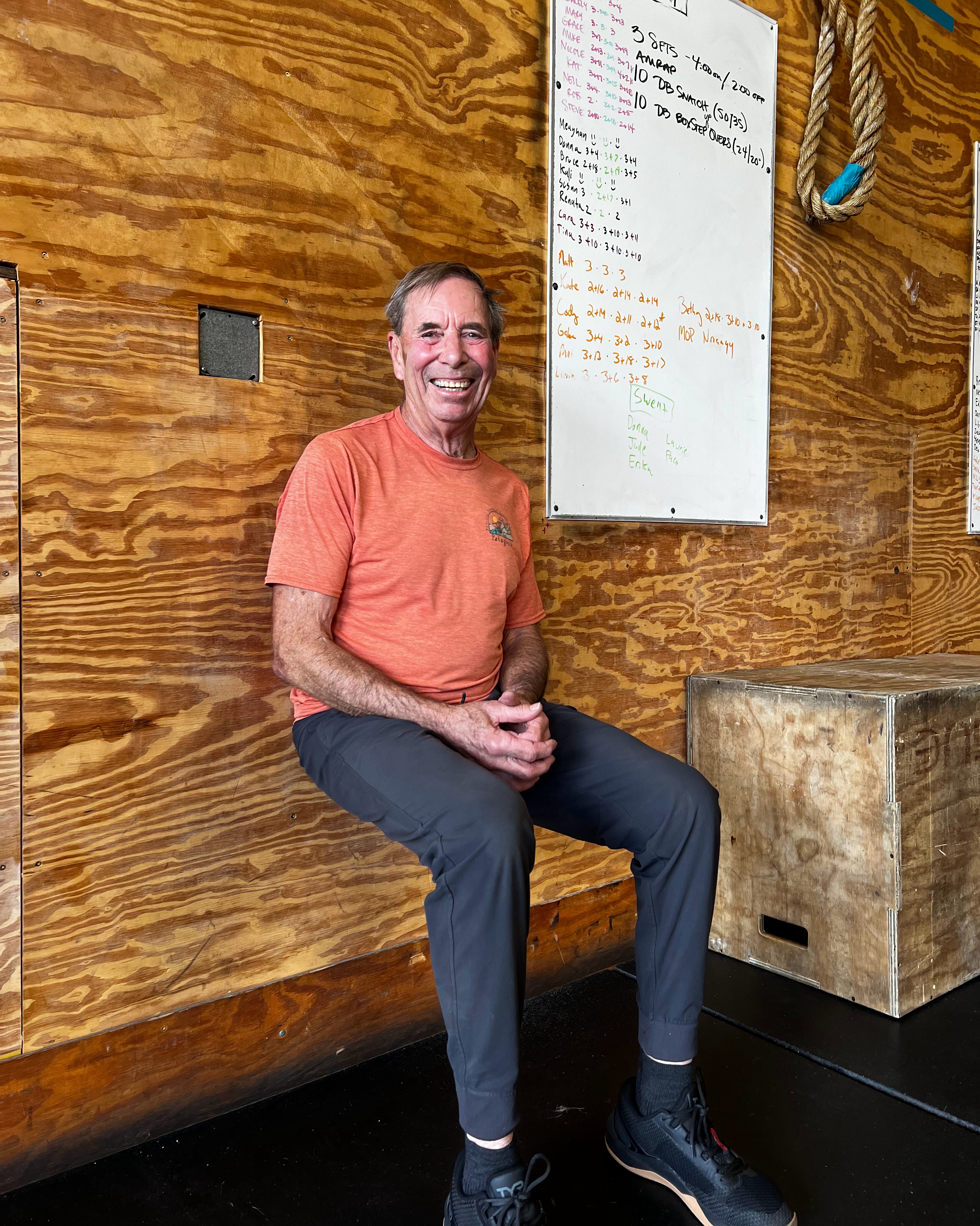
A coach remembering your name.
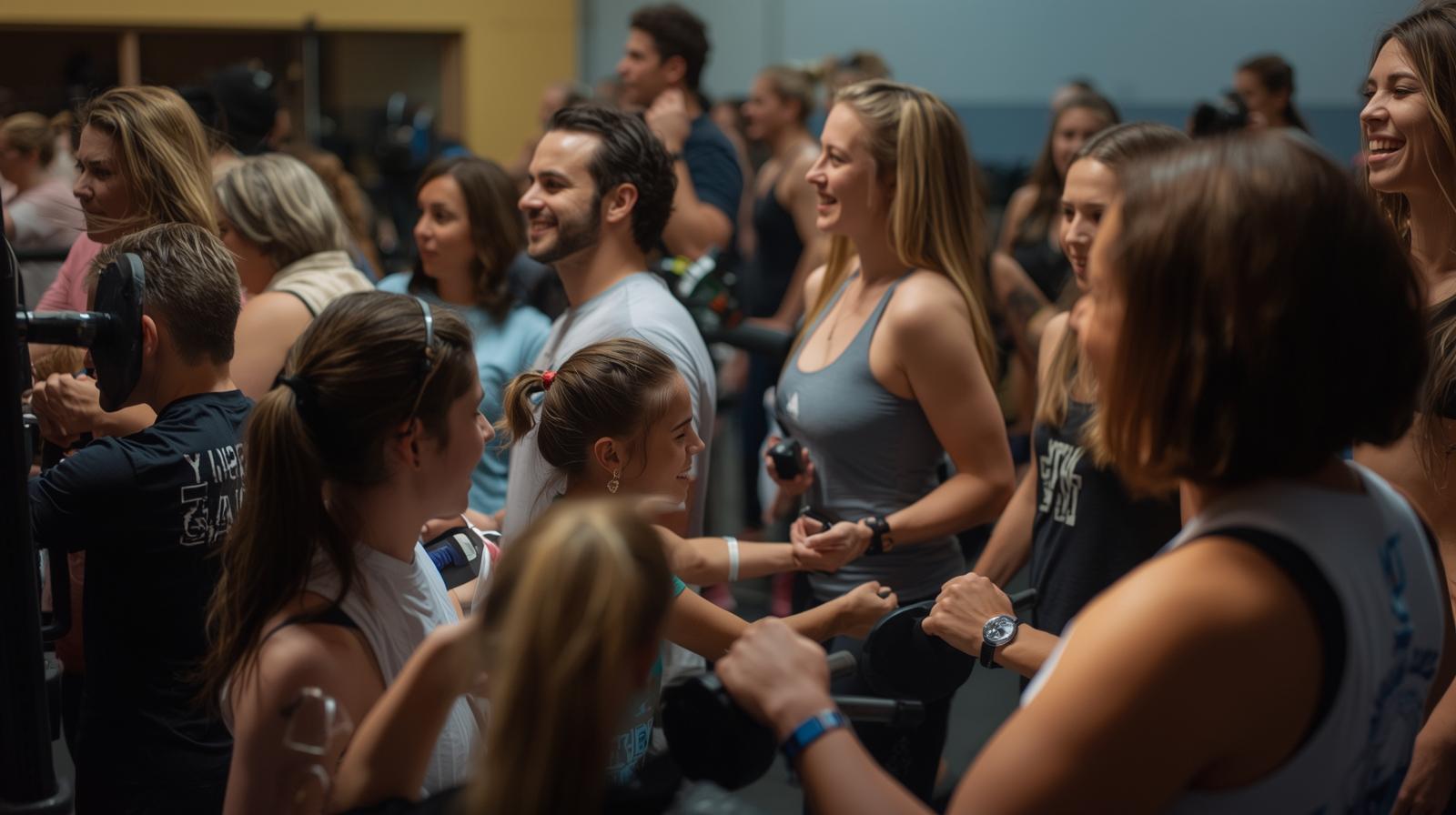
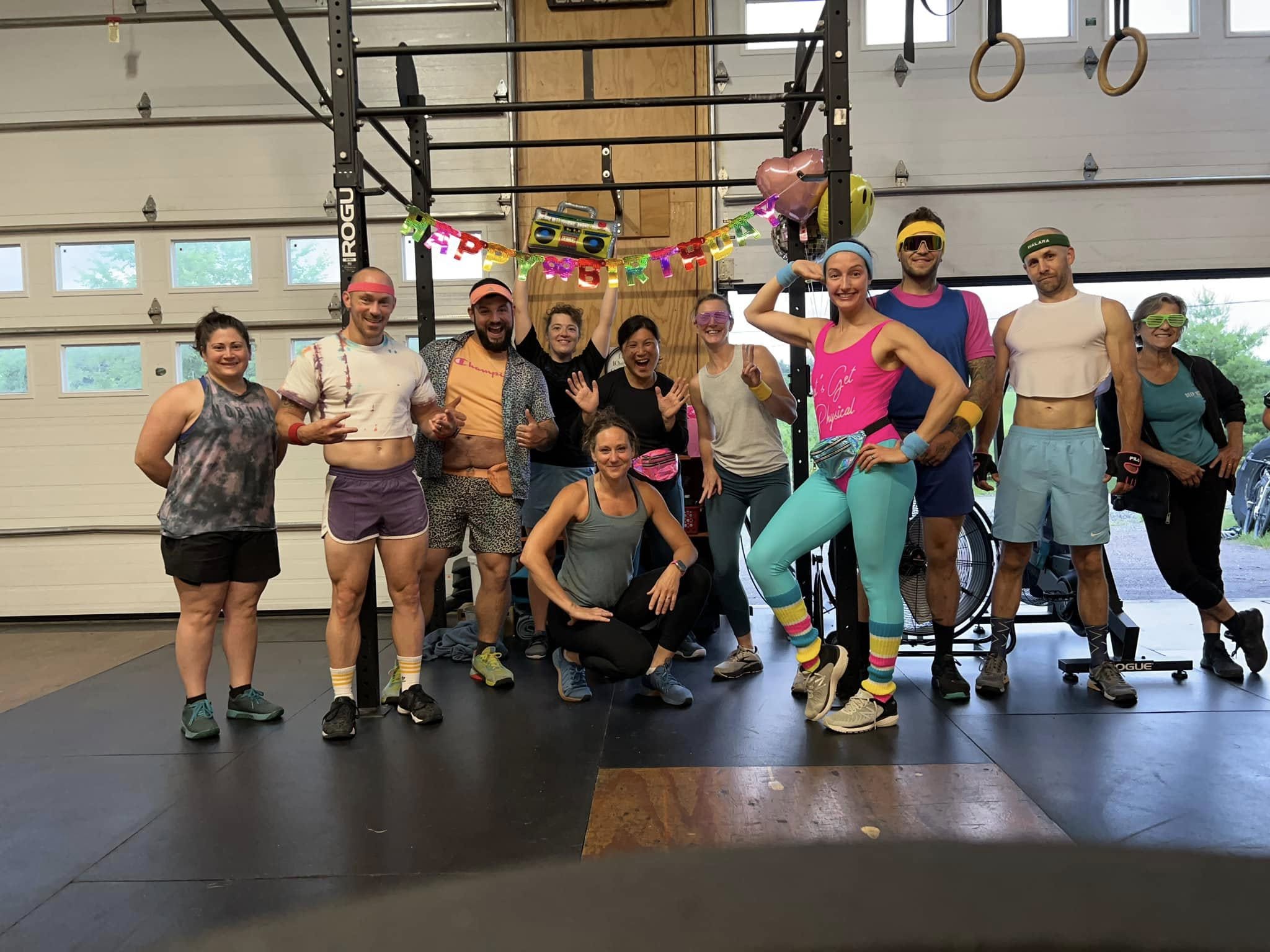
A shared laugh during the warm-up.
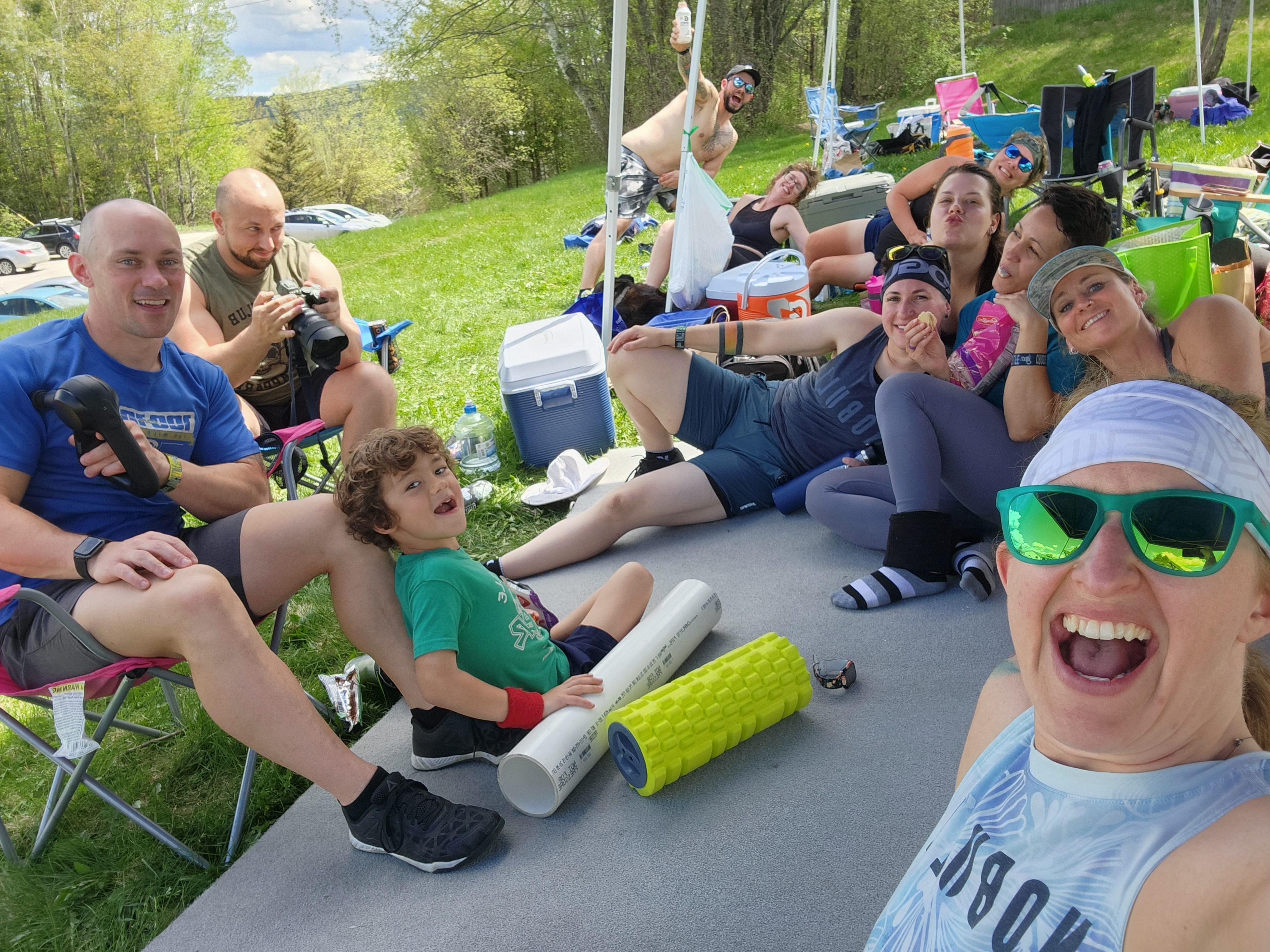
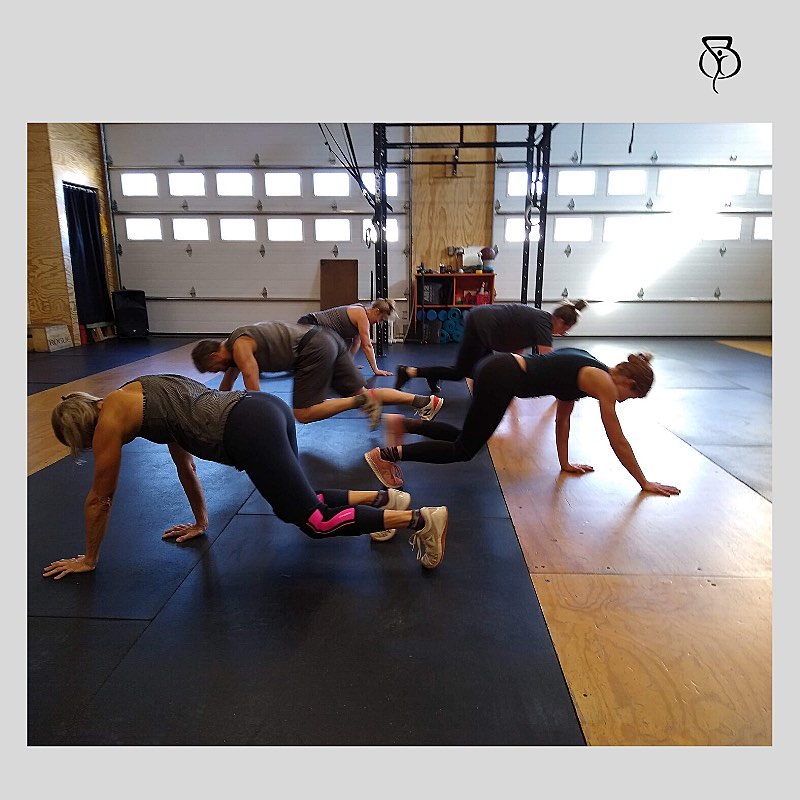
Moving your body alongside others who are doing the same.
Those moments may seem small, but they add up. They create consistency, belonging, and trust — the kind that quietly supports you even when you don’t realize you need it.
Movement Is Powerful — Together
Movement on its own is good for us.
But movement in community is something different.
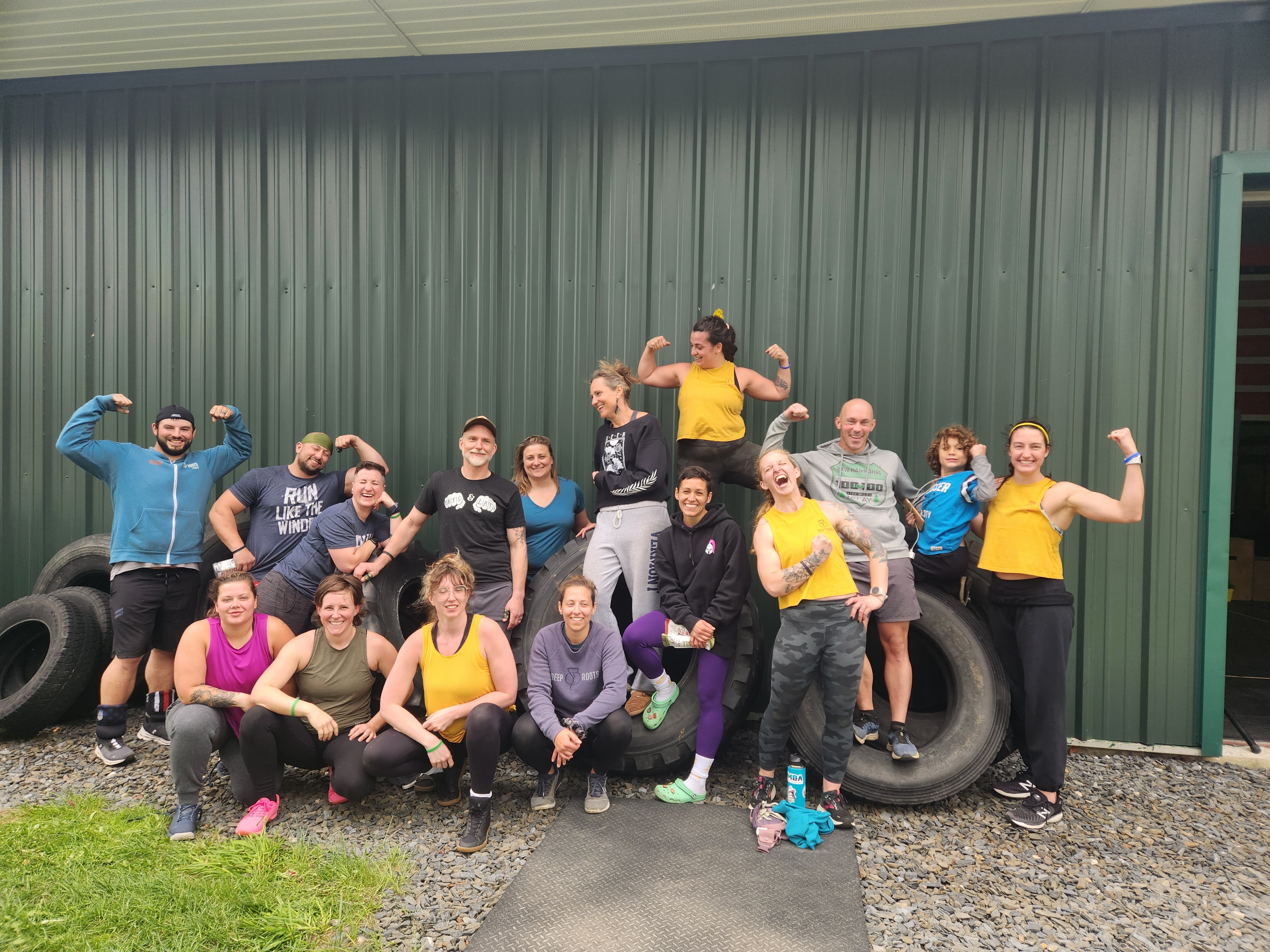
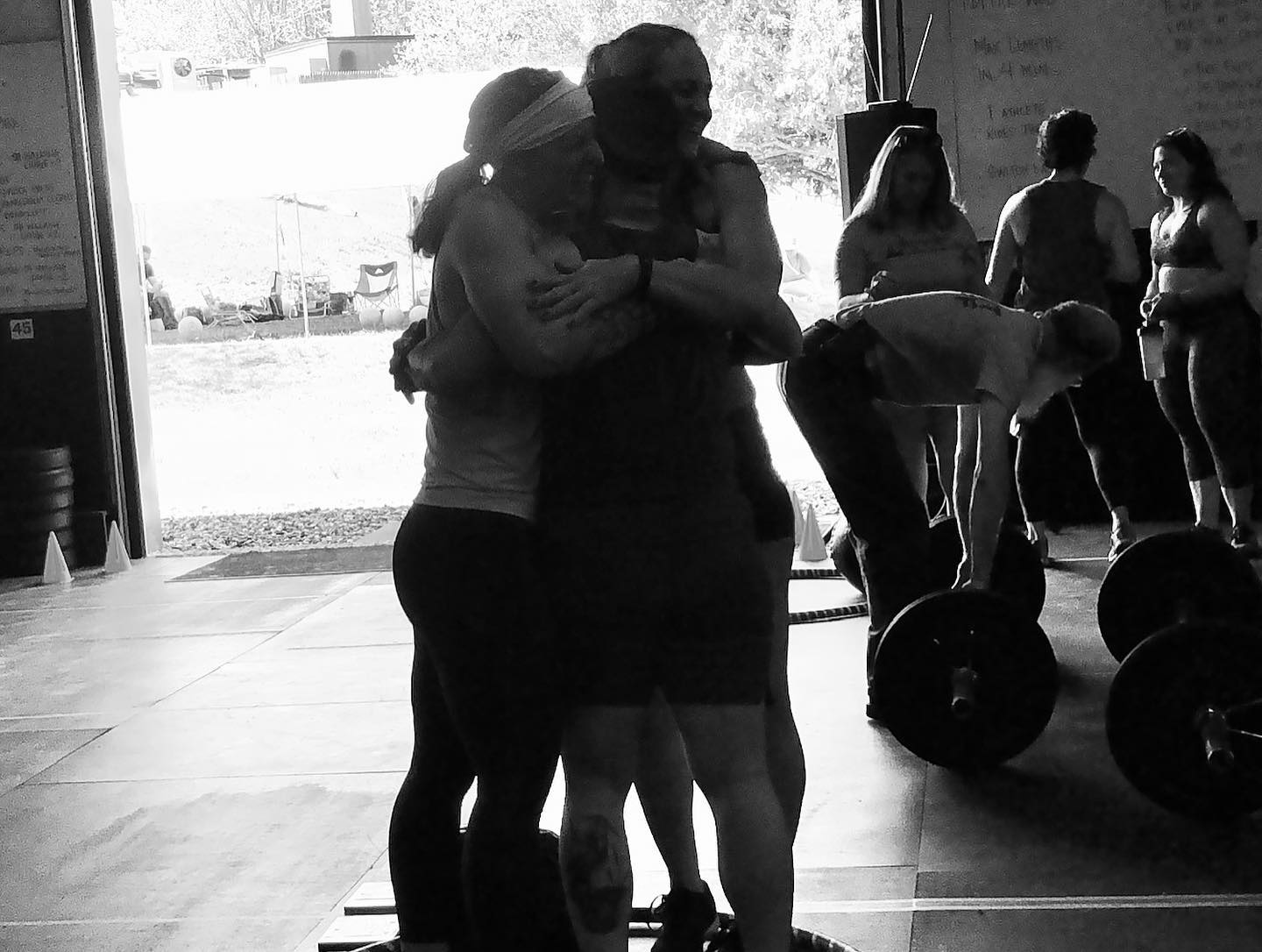
Training alongside others creates accountability. But it also creates empathy, encouragement, and shared experience. You celebrate each other’s wins. You notice when someone’s missing. You learn that progress doesn’t always look the same for everyone.
In a supportive environment, it’s easier to keep going. Easier to give yourself grace. Easier to stay connected to your goals when life pulls your attention elsewhere.
And on the hard days, sometimes the workout isn’t the most important part. Sometimes it’s just being around people who remind you that you belong.
Community Looks Different for Everyone
Community doesn’t have to mean deep conversations or constant socializing. It can be:
• A familiar routine
• Friendly hellos
• Quiet encouragement
• Shared effort
• Knowing you’re expected and welcomed
It can be loud or low-key. Social or simple. What matters is that it’s consistent and supportive.
At its best, community meets you where you are, not where you think you should be.
Let Yourself Be Supported
If life feels heavy right now, this is your reminder that you don’t have to carry it alone.
Connection doesn’t require vulnerability on day one.
Support doesn’t require having the right words.
Belonging doesn’t require perfection.
Sometimes the bravest thing you can do is show up — exactly as you are.
And over time, those small moments of connection can become an anchor. A place to land. A reminder that even in hard seasons, you’re supported, seen, and not alone.
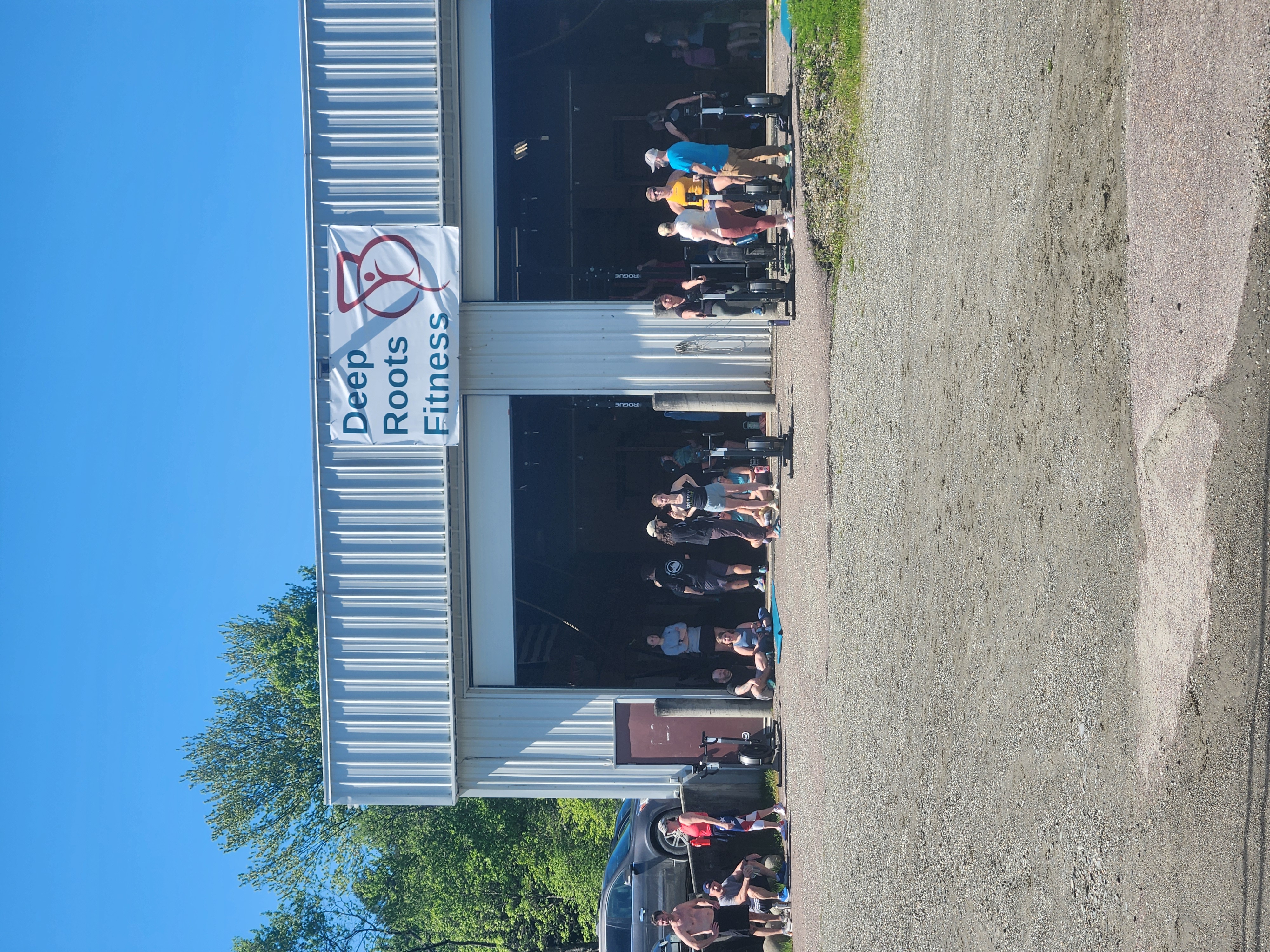
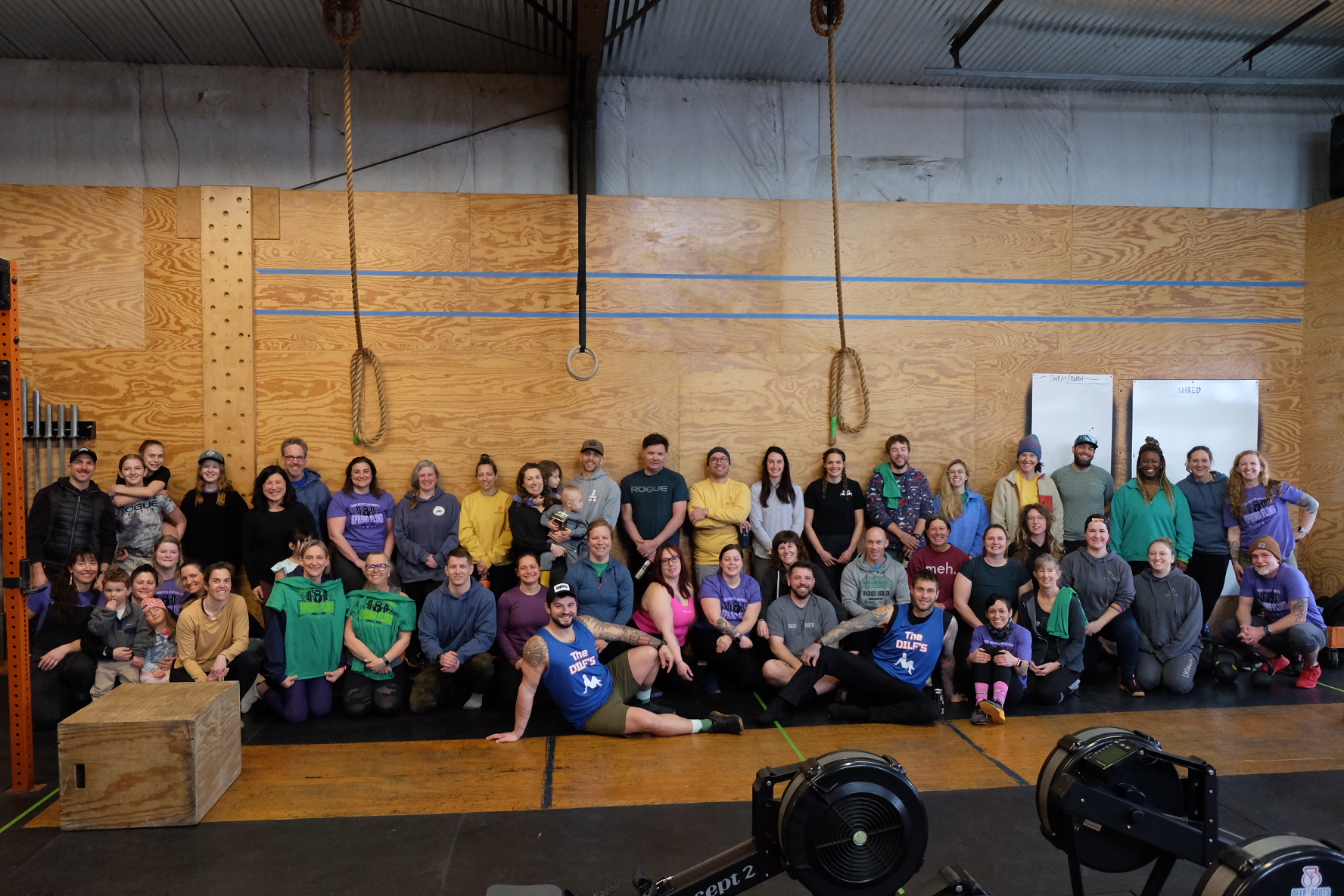
If you’re looking for a place to move, connect, and feel a little less heavy, we’d love to welcome you in.













.png)

.png)










.png)